| Otto Pankok, 1950, Holzschnitt [Grabado en madera], Christus zerbricht das Gewehr [Cristo rompe el fusil]: Judaismo Cristianismo Islamismo. |
Showing posts with label Rebellion. Show all posts
Showing posts with label Rebellion. Show all posts
Monday, May 13, 2013
Deseo, sueño o frustración [Longing, Dream or failure]

Saturday, May 4, 2013


Saturday, January 5, 2013
Excellent place to learn about Hindemith!
Sancta Susanna: opera in one act by Paul Hindemith
Κυριακή, 22 Απριλίου, 2012

Paul Hindemith
Alfred Einstein’s famous assessment of Hindemith as the natural musician “who produces music as a tree bears fruit” may easily and appropriately be extended to all his music making, not just composition.
In 1921 he composed the one act opera “Sancta Susanna” on a libretto based on the play “Sancta Susanna” by August Stramm.

August Stramm

Der Strum, October 1917
Stramm died in 1915 at the Russian front, in Belarus.
Stramm’s supercharged theatrical style had led to his works being dubbed Schreidramen (Screamplays).
Though the play’s religio-erotic symbolism is the outward manifestation of its power to disturb, Hindemith’s music grippingly reinforces and intensifies that disturbance. Impressive though the first two members
of his operatic trilogy had been, Sancta Susanna is his first authentic masterpiece. Here he has powerfully assimilated all the contemporary influences, and the music speaks an Expressionist language entirely
Hindemith’s own.

The spine-tingling virtuosity of the orchestration is remarkable for the hallucinatory vividness of its scene-painting and its portrayal (betrayal, rather) of Angst and subconscious desire with a phantasmal
refinement of instrumental chiaroscuro. Yet Hindemith’s opera has firm tonal foundations, upon which fierce dissonance alternates with delusory consonance in nightmarish ways. Sancta Susanna is
built, like its cathedral cloister, in large, wellproportioned blocks. The music is almost monothematic, proceeding by variation of a principal melody (the lyric, nightingale-like flute solo heard in the deceptively beautiful nocturnal prelude). From this source derive many sinister subsidiaries, such as the clarinet theme for the appearance of the horrific spider – which in turn becomes the theme of the nuns’ denunciation of Susanna as she entraps herself in the web of her own emotions.

Paul Hindemith composed Sancta Susanna as part of a trilogy, which also included Mörder, Hoffnung der Frauen and Das Nusch-Nuschi. These two works premiered in 1921, but Sancta Susannawas not performed because of its obscene content.
Fritz Busch, who was responsible in 1921 for the turbulent premieres of Das NuschNuschi (which infuriated the audience by using a quotation from Tristan to accompany a burlesque castration scene) and Miirder, Hoffnung der Frauen (“Murderer, hope of women”, a setting of Oskar Kokoschka’s luridly incomprehensible expressionist drama about the war of the sexes), flatly refused to conduct Sancta Susanna on the grounds of its blasphemous obscenity: Susanna is an hysterical nun who first strips naked in front of the convent high altar and then tears the loincloth from a statue of the crucified Christ. The three scores made Hindemith’s name as an enfant terrible.
Sancta Susanna finally premiered in Frankfurt in 1922 and caused immediately a scandal.
Sancta Susanna was charged with blasphemy and Frankfurt institutions like the Catholic Women’s League protested against the performances and even demanded the pieces be withdrawn.
In 1934 Hindemith banned further productions of the three works. He had distanced himself from the compositional style of his early works and was unwilling to subject the works to any further public debate on morality.

Reviewing the world premiere in 1922, philosopher Theodore Adorno wrote:
In Sancta Susanna, everything that happened musically is developed from one theme; a theme of emotional power which pertains not to one individual, nor to one mood, but quite simply to the fundamentally irrational occurrences of this opera.Synopsis (from the Chandos booklet)
In the cloister chapel of a nunnery, old Sister Clementia discovers the young nun Susanna in abject prayer before the high altar, troubled in spirit and body by the warm, windy, nightingale-loud summer night.
They become aware of movement outside: a couple is making love under the linden-trees.
Susanna calls the peasant-girl inside and tries to make her feel guilty; she demands to see the man too, but he enters only to snatch his girl away.
Susanna curses him as Satan.

Clementia, agitated, seems to be hearing something.
She tells Susanna how, many years ago, on a night like this, she saw a girl come naked to the altar and embrace and kiss the life-size figure of the crucified Christ.
For this blasphemy she was buried alive, and the image has been veiled ever since.
The tale only fans Susanna’s repressed sexual hysteria.
She, too, imagines she hears the voice of the entombed girl and, stripping naked, she defies Clementia and rips the covering from Christ’s torso.
But she is terrified when a huge spider falls into her hair from the crucifix, and cowers beneath the altar while midnight strikes and the other nuns file into the chapel.
Nevertheless she finds a transfiguring strength from her act: she demands that they wall her up, and endures their curses as the curtain falls.

In the Gramophone review of the opera, we read:
“Musically speaking, the shock value of Sancta Susanna lies in the expectations aroused by the opening (a delicately atmospheric, romantic nocturne with almost Puccinian overtones; the quiet, chant-like dialogue that follows) and their contradiction by the feverish, obsessive music (Hindemith predicting his Cardillac manner—only four years off, after all) of the main action.”
A much larger-scale summing-up of Hindemith’s ideas had come earlier in the 1930s with the completion of the opera Mathis der Maler (Mathis the Artist) and the symphony based on it. The German painter Matthias Grunewald symbolized for Hindemith the dilemma of all artists caught up in political upheavals: Hindemith had himself been attacked by the Nazis, and in 1937 was forced to leave Germany. The three movements of the symphony Mathis der Maler each represent one of the panels of Grunewald’s altarpiece at Isenheim, and the warmth and humanity of the work show the composer coming to terms with his Classical and Romantic heritage, and with his innate respect for tradition.

Hindemith found refuge from the Nazis in America, where he taught at Yale University and took United States citizenship in 1946. A series of orchestral commissions included the Symphonic metamorphosis on themes of Carl Maria von Weber, whose wordy title conceals a work of the most deft and delightful humour, an antidote to the common view of the mature Hindemith as a composer of unbending Teutonic seriousness. In 1953 he moved to Switzerland, and there, in his last years, completed Die Harmonic der Welt (The Harmony of the World), a mystical opera about the astronomer Johan Kepler.
Thursday, December 27, 2012
No olvidemos a Grecia
"La vergüenza de Europa", de Günter Grass

La vergüenza de Europa
Aunque próxima al caos, por no agradar al mercado, lejos estás de la tierra que tu cuna fue.
Lo que con el alma buscaste y creíste encontrar
hoy lo desechas, peor que chatarra valorado.
Desnuda en la picota del deudor, sufre una nación a la que dar las gracias era antaño lo más natural.
País condenado a ser pobre, cuya riqueza
adorna cuidados museos: botín por ti vigilado.
Los que invadieron con armas esa tierra bendita de islas llevaban, con su uniforme, a Hölderlin en la mochila.
País tolerado ya apenas, a cuyos coroneles
toleraste un día en calidad de aliados.
País sin ley al que el poder, que siempre tiene razón, aprieta el cinturón más y más.
Desafiándote viste de negro Antígona, y en el país entero hoy lleva luto el pueblo cuyo huésped eras.
Pero, fuera de ese país, el cortejo de parientes de Creso ha acumulado en tus cámaras cuanto brillaba dorado.
¡Bebe de una vez, bebe! grita la clac de los comisarios, pero airado te devuelve Sócrates su copa a rebosar.
Maldecirán los dioses a coro lo que te pertenece, pero sin tu permiso no se podrá expropiar el Olimpo.
Sin ese país te marchitarás, Europa, privada del espíritu que un día te concibió.
(Günter Grass. Traducción de Miguel Sáenz)
[Selección de la profesora Mercedes Ortiz]
Versión original en alemán:
Europas Schande
Dem Chaos nah, weil dem Markt nicht gerecht, bist fern Du dem Land, das
die Wiege Dir lieh./ Was mit der Seele gesucht, gefunden Dir galt, wird
abgetan nun, unter Schrottwert taxiert./ Als Schuldner nackt an den
Pranger gestellt, leidet ein Land, dem Dank zu schulden Dir Redensart
war./ Zur Armut verurteiltes Land, dessen Reichtum gepflegt Museen
schmückt: von Dir gehütete Beute./ Die mit der Waffen Gewalt das
inselgesegnete Land heimgesucht, trugen zur Uniform Hölderlin im
Tornister./ Kaum noch geduldetes Land, dessen Obristen von Dir einst als
Bündnispartner geduldet wurden. / Rechtloses Land, dem der Rechthaber
Macht den Gürtel enger und enger schnallt./ Dir trotzend trägt Antigone
Schwarz und landesweit kleidet Trauer das Volk, dessen Gast Du
gewesen./ Außer Landes jedoch hat dem Krösus verwandtes Gefolge alles,
was gülden glänzt gehortet in Deinen Tresoren. / Sauf endlich, sauf!
schreien der Kommissare Claqueure, doch zornig gibt Sokrates Dir den
Becher randvoll zurück. / Verfluchen im Chor, was eigen Dir ist, werden
die Götter, deren Olymp zu enteignen Dein Wille verlangt.
(Poema publicado el 26 de mayo de 2012, en el periódico 'Sueddeutsche Zeitung", en Múnich, Alemania)
Es el poema de un viejo alemán decepcionado con su país y con Europa,
que denuncia el sufrimiento y las presiones a las que se está
sometiendo a Grecia.
Quiere recordarnos que los nazis invadieron Grecia en la Segunda
Guerra Mundial (después de que los italianos fracasaran), y que ahora
muchos alemanes la quieren fuera del euro, junto a algunos en los
mercados que seguramente ya están haciendo dinero con esta especulación.
Que otros europeos expoliaron los bienes culturales de la antigüedad
griega, que lucen hoy en el Museo Británico en Londres, o en el de
Pérgamo en Berlín. Que aquella tierra es la cuna de la filosofía e
inventora de
la democracia. Que en nombre de la seguridad, como nos pasó a los
españoles, los aliados de la OTAN dieron por buena la dictadura de los
coroneles. Y que ahora quieren condenarla a que se suicide, como a
Sócrates.
Pero también nos recuerda que Europa sería menos sin Grecia. Y que,
si los griegos lo quieren, podrán proseguir su sueño europeo. En
realidad no trata de la vergüenza de Europa, sino de la falta de ella.

Günter Grass (Danzig, 1927) se hizo escritor después de haber
recibido una sólida formación como escultor y dibujante. En 1999 recibió
el Premio Nobel de Literatura y el Premio Príncipe de Asturias de las
Letras. Su obra comprende poemas, dramas, y sobre todo, novelas. El tambor de hojalata, una de las cumbres de la literatura europea contemporánea, compone junto con Años de perro y El gato y el ratón, la famosa «Trilogía de Danzig». Su fama se ha cimentado sobre estas y otras obras maestras como El rodaballo, Es cuento largo o A paso de cangrejo.
Testigo de su época en permanente lucha contra el silenciamiento del
pasado, entre su producción de carácter ensayístico y autobiográfico destacan Mi siglo, Del diario de un caracol, Cinco decenios, su controvertida Pelando la cebolla y La caja de los deseos.
Tuesday, December 18, 2012
La disección [La autopsia] de Georg Heym
The Dissection
Translated from the German by Gio Clairval
Georg Heym
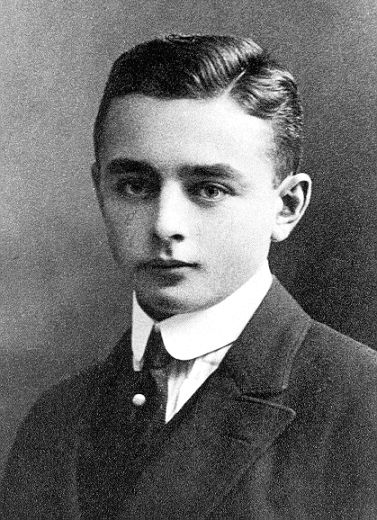
Georg Heym (1887– 1912) was a German poet and playwright who also wrote one novel. Heym believed in the idea of the “demon city,” which symbolized his repudiation of romanticism in the midst of the rise of industrialism and repressive systems. Still, he lived a wild and passionate life, accompanied by depression and restlessness. In 1910 he dreamed of a death by drowning and two years later fell through the ice while skating. “The Dissection” (1913) is more prose-poem than story in its luminous reverie.
We are pleased to present this new translation by Gio Clairval from The Weird compendium, our 750,000-word anthology published in North America this week by Tor Books. The translation corrects errors in prior versions, including the use of “The Autopsy” as the title. It also keeps the intended repetition of certain words like “white.” Master of the weird Thomas Ligotti has called it one of his favorite tales. – Ann & Jeff VanderMeer
***
The dead man lay alone and naked on a white cloth, surrounded by
depressing white walls, in the cruel sobriety of a wide dissection room
that seemed to shiver with the screams of an endless torture.The light of noon bathed him and awakened the dead spots on his forehead; conjured up a bright green from his naked belly, bloating his body as if it were a sack of water.
His body resembled the iridescent cup of some gigantic flower, a mysterious plant from Indian primeval forests that someone had shyly laid at the altar of death.
Splendid reds and blues sprouted down his limbs, and in the heat the large wound under his navel slowly split open like a red furrow, releasing a foul stench.
The doctors entered. Friendly men in frayed white coats and gold-rimmed pince-nez. They stepped up to the dead man and observed him with interest, as if at a scientific meeting.
From their white cabinets they took out dissecting instruments, white crates full of hammers, saws with sharp teeth, files, hideous sets of tweezers, knives with large saw teeth as crooked as vultures’ beaks forever screaming for flesh.
They began their revolting work. They resembled hideous torturers, blood flowing on their hands as they dug ever more deeply into the frigid corpse and pulled out its innards, like white cooks gutting a goose. Around their arms coiled the intestines, green-yellow snakes, and faeces dripped on their coats, a warm, putrid fluid. They punctured the bladder, the cold urine in it glistening like yellow wine. They poured it into large bowls, and it reeked of pungent, acrid ammonia. But the dead man slept. He patiently let them tug at him and pull his hair. He slept.
And while the thumping of hammers resounded on his skull, a dream, a remnant of love awoke in him, like a torch shining in his personal night.
Outside the tall window stretched a wide sky filled with small white clouds that swam like small, white gods in the light of that silent afternoon. And swallows darted high across the blue, feathers quivering in the warm sun of July.
The dead man’s black blood streamed across the blue putrefaction on his forehead. In the heat, it evaporated into an awful cloud, and the decay of death crept over him with its dappled claws. His skin began to flake apart; his belly turned white like that of an eel under the greedy fingers of the doctors, who plunged their arms up to the elbows in the wet flesh.
The decay pulled apart the mouth of the dead man. He seemed to smile. He dreamed of beatific stars, of a fragrant summer evening. His rotting lips trembled as though under a brief kiss.
“How I love you. I have loved you so much. Should I say how I love you? As you strolled across poppy fields, a flower of flames yourself, you swallowed the entire evening. And the dress that billowed around your ankles was a wave of fire in the setting sun. But you bowed your head in the light, hair still burning, inflamed by my kisses.
“So you went down there, turning to look back at me as you walked away. And the lantern swayed in your hand like the glow of a rose lasting in the twilight long after you were gone.
“I’ll see you again tomorrow. Here, under the window of the chapel, here, where the light of the candles falls about you, making your hair a golden forest, and daffodils nestle around your ankles, tenderly, like tender kisses.
I will see you again every evening in the hour of dusk. We will never part. How I love you! Should I tell you how I love you?”
And the dead man quivered in happiness on his white death table, while the iron chisels in the hands of the doctors broke open the bones of his temple.
 | ||||
| Preparation For The Funeral Aka The Autopsy By Paul Cezanne French, 1839-1906 |
Imagery in Translation: Georg Heym’s The Dissection
Posted: August 18, 2012 Filed under: Books, Musings | Tags: Georg Heym, reading, translation, weird tales 7 Comments »
De Re Anatomica (1559). Image: Wikipedia
They began their revolting work. They resembled hideous torturers, blood flowing on their hands as they dug ever more deeply into the frigid corpse and pulled out its innards, like white cooks gutting a goose. Around their arms coiled the intestines, green-yellow snakes, and faeces dripped on their coats, a warm, putrid fluid. They punctured the bladder, the cold urine in it glistening like yellow wine. They poured it into large bowls, and it reeked of pungent, acrid ammonia. But the dead man slept. He patiently let them tug at him and pull his hair. He slept.
– Georg Heym, The Dissection (1913). Translated by Gio Clairval
And to be fair, the subject matter is a benign kind of gruesome, if that makes sense: only an autopsy, not a murder, not cannibal revenants, not The Texas Chainsaw Massacre. I read this piece in the anthology The Weird, edited by Ann and Jeff VanderMeer. The VanderMeers have generously put the entirety of The Dissection online, on their website Weird Fiction Review.
It sucked me in with the very first sentence: the dead man under a white cloth, in a room with white walls, a room that “seemed to shiver with the screams of an endless torture.” How did Heym make something so banal (well, as banal as a morgue can be) seem so sinister? And so beautiful at the same time? Images of decadent tropical jungles, of warm summer skies — and of love.
Then I wondered — how much of what I’m responding to is Heym, and how much of it is the translator, Gio Clairval? The introduction to the piece tells us that the translation is new (commissioned for The Weird anthology, I assume), to correct “prior errors”, including the English translation of the title (Die Sektion, in German) as “The Autopsy”. So something was lacking in previous English versions, and that matters more with this piece, perhaps, than with other stories of this genre. The Dissection doesn’t have a plot; it’s a vignette (a “prose-poem”, the VanderMeers call it, and Heym was a poet). There isn’t anything to it, beyond its imagery and its idea — namely, that memories can be awakened by the jarrings of the brain of a dead man. The idea is interesting, sure — but you can find other authors who have written actual stories about it, in English, even. Ambrose Bierce’s “Occurrence at Owl Creek Bridge” is one example; Tobias Wolff’s “Bullet in the Brain” (which is an awesome short story, by the way) is another. One can argue that Jorge Luis Borges’ “The Secret Miracle” is an example, in Spanish, as well — though I prefer to think of it as the story of an actual miracle, myself.
And as for the imagery — well, I prefer old-fashioned, understated, M. R. James-style ghost stories to more explicit splattery gory things. So, for me at least, this imagery itself is not enough to draw me in. It’s how the imagery is presented. I’m not in the business of literary translation, but even I can figure out that preserving the imagery — the feeling — in the way the author intended must be the hardest aspect of the job.
I don’t read German, so I can’t definitively answer my own question. If you read German, you can answer it for yourself: the original is available courtesy of Gutenberg.de. However, I did track down a previous translation, from about 1960, entitled The Autopsy. I don’t know who that translator was.
Comparing the two, I can see that the “plot”, such as it is, has been preserved; The Autopsy‘s rhythm doesn’t dance as beautifully, to my ear. I don’t think that I would have been so blown away by The Autopsy as I was by The Dissection.
From what clues I can glean, I would say the The Autopsy is more transliteral. There’s a sentence in the German that goes:
Vor dem großen Fenster tat sich ein großer weiter Himmel auf, gefüllt von kleinen weißen Wölkchen, die in dem Lichte schwammen, in der Nachmittagsstille, wie kleine, weiße Götter.The Autopsy renders this as:
In front of the large window a great wide sky opened, full of small white clouds that floated in the light, in the afternoon quiet, like small white gods.Ms. Clairval chose to translate it as:
Outside the tall window stretched a wide sky filled with small white clouds that swam like small, white gods in the light of that silent afternoon.I think the first translation preserves more of the original word ordering, but the second translation sounds much better in English.
The biggest difference between the two translations is in the description of the doctors who perform the dissection. The Dissection describes them as “Friendly men in frayed white coats and gold-rimmed pince-nez.” The Autopsy describes them as “kindly men in white coats, with duelling scars and gold pince-nez.” Duelling scars? Where did those come from?
Ms. Clairval, in her appreciation of Heym at Weird Fiction Review, admits that the duelling scars (Schmissen) are in the original text. Apparently, duelling (with its resulting scars) was a common, fraternity-type activity among male university students of the time. Hence, the duelling scars might be a kind of credential that the doctors went to the right schools. However, Ms. Clairval decided (based on other aspects of the wording) that schmissen, in the context used, might refer to “rents” — that is, of fabric: well-worn, well-washed, frayed lab coats.
But then again, the author may have wanted to imply both meanings: the down-to-earth frayed coats, and the remainders of ancient duels on the faces of the doctors, now older and wiser (because they wear glasses for near vision).It’s a small detail, and doesn’t make much difference to the overall effect; still I’m glad that I read Ms. Clairval’s commentary, because it’s interesting to think about that level of meaning, which — if it is really there — doesn’t survive the translation.
And maybe that does answer my question, after all.
UPDATE (Sept 13, 2012): Thanks to lietmotivation for suggesting also the story “Der Irre.” I found a 1979 translation of Heym’s Der Dieb: Ein Novellenbuch as part of Arlene Elizabeth Sture’s 1979 Master’s thesis from McMasters University. Her thesis includes translation and commentary of five short stories, including “Die Sektion” (as “The Post-Mortem”) and “Der Irre” (as “The Madman”). Looking forward to reading this!
Wednesday, November 21, 2012
Cinco poemas de Fadwa Tuqan

A Cristo
Señor, gloria de los universos
Este año en tu cumpleaños
Toda la alegría de Jerusalén ha sido crucificada
¡Todas las campanas, Oh Señor
Están en silencio!
Por dos mil años,
No han estado en silencio en tus cumpleaños,
A excepción de este año
Las cúpulas ahora están de luto
Lo negro está envuelto en negro
En la Vía Dolorosa,
Jerusalén es azotado
Bajo la cruz
Está sangrando
En las manos del verdugo.
El mundo es inflexible ante la tragedia
La luz se ha apartado de ese despiadado maestro perdido
Que no encendió una vela
Que no derramó una sola lágrima
Para lavar las penas de Jerusalén
Los labradores han matado al heredero, Oh Señor,
Y usurpado la vid
Los labradores mataron al heredero, mi Señor
El pájaro del pecado se ha dispersado
Dentro de los pecadores del mundo
Y voló a profanar la castidad de Jerusalén
Qué maldito diablo es,
Odiado incluso por el Diablo.
Oh, Señor, gloria de Jerusalén
Fuera del pozo de agonía
Fuera del abismo
Fuera de los recovecos de la noche
Fuera del horror
El gemido de Jerusalén asciende a ti
Misericordia, Señor
¡Libérale este cáliz!
Siempre viva
Mi querida patria
No importa cuánto tiempo te agite la piedra
Del molino del dolor y la agonía
En el páramo de la tiranía,
Ellos nunca serán capaces
De arrancarte los ojos
O matar tus esperanzas y sueños
O crucificar tu voluntad de levantarte
O de darle valor a la sonrisa de nuestros niños
O destruir y quemar,
Porque fuera de nuestras tristezas profundas,
Fuera de la frescura de nuestra sangre derramada
Fuera de los estremecimientos de la vida y la muerte
La vida va a renacer en ti otra vez…
Dolores de parto
El viento sopla el polen en la noche
a través de las ruinas de hogares y campos.
La tierra se estremece de amor,
con el dolor de dar a luz,
pero el conquistador nos quiere hacer creer
historias de sumisión y rendición.
¡Oh Aurora Árabe!
Dile al usurpador de nuestra tierra
que el parto es una fuerza desconocida para él,
el dolor del cuerpo de la madre,
que la tierra cargada de cicatrices
inaugura vida
en el momento del amanecer
cuando la rosa sangrente
florece en la herida.
Mi ciudad está triste
El día en que conocimos la muerte y la traición,
se recogió la marea,
las ventanas del cielo se cerraron,
y la ciudad contuvo sus respiros.
El día del repliegue de las olas, el día
en el que la pasión abominable abrió la cara,
la esperanza se redujo a cenizas,
y mi triste ciudad fue asfixiada
tragando mientras el dolor.
Sin ecos ni signos,
los niños, las canciones, se perderán a sí mismas.
Mientras se desnudan, cubiertos de sangre los pies,
la tristeza se arrastra por mi ciudad,
un silencio plantado como la monta,
oscuro como la noche
un terrible silencio que transporta
el peso de la muerte y la derrota.
¡Ay, mi triste ciudad enmudecida!
¿Las frutas y el grano pueden por lo tanto ser quemados,
en el tiempo de la cosecha?
¡Doloroso el final de la ruta!
Detrás de sus paredes
Una injusta mano lo ha construido
y permanece de su tamaño
como una eterna miseria.
He visto sus melancólicos muros,
desgastados y deteriorados por las largas centurias, gritando:
¡Tú me quitas la luz y la libertad,
pero no podrás extinguir en mi corazón
la chispa de la esperanza.
Maldito, existirás para sofocar cada sueño
que se regenera en la medida que se alimenta.
Mi corazón nunca dejará de soñar
incluso si esta celda se cerrara para siempre.
Si mil cadenas me atan
tantas fantásticas alas me harán volar.
Maldeciré a cada persona y las de tu futuro por el tiempo que pueda.
Porque no me doblegará, nunca seré silenciado
delante de la furia.
Nunca dejaré de ser libre.
Voy a cantar los deseos de mi espíritu,
incluso si vas a aplastarme con cadenas.
Mi canción manará a raudales desde el fondo.
Saturday, October 13, 2012
Four mysteries!

Sea... Earth... Heaven... and Woman...
Really, I mean it!, size doesn't matter!
Just close your eyes
And they will talk to you!
About HÖLDERLIN
sábado, 26 de noviembre de 2011
HÖLDERLIN

Pero a nosotros nos corresponde, ¡poetas!, enfrentarnos
a las tormentas de Dios con la cabeza descubierta.
Hölderlin
 |
| Friedrich Hölderlin |
No
deja de sorprender la similitud de la cita que abre esta entrada con
unos versos del grandísimo poeta y caballero valenciano Ausiàs March,
quien casi cuatrocientos años antes escribió:
Jo sóc aquell qui’n lo tems de tempesta...
vaig sobre neu descalç ab nua testa.
(Yo soy aquel que en los tiempos de tempestad...
voy sobre nieve descalzo con la cabeza desnuda.)
 |
| Ausiàs March |
Johann Christian
Friedrich Hölderlin fue, como todo el mundo sabe, un poeta, un gran
poeta alemán, lo cual es lo mismo que decir que fue uno de los mayores
poetas de la literatura universal. Nació en 1770 y murió en 1840 pero
abandonó este mundo mucho antes: en 1806 fue internado en una clínica
debido a severos problemas mentales. Allí se le diagnosticó una
enfermedad incurable que en aquel entonces llamaban simple y llanamente
«locura»;

en la
actualidad quizá encajaría en lo que se llama «esquizofrenia catatónica»
pero en la actualidad de dentro de cincuenta o cien años no sabemos
dónde la harán encajar. Desde ese momento, 1806, hasta el día de su
muerte, un siete de junio de 1843, es decir, durante treinta y seis
años, se hizo cargo de él un buen hombre, el ebanista Ernst Zimmer,
quien lo alojó en una habitación independiente de su casa con forma de
torre a orillas del río Néckar, en la pequeña ciudad de Tubinga.


En
esa habitación y en sus mundos fantasmales vivió todo ese tiempo,
aunque, como ya hemos dicho, ya no era él. No se reconocía a sí mismo
por su nombre sino que se atribuía nombres italianos; el más frecuente
fue el de Scardanelli y con él firmó numerosos de los poemas que todavía
escribió desde el otro lado.

La obra de Hölderlin es muy extensa y su influencia en el pensamiento y poesía de su época de gran importancia. No obstante, no entraremos en detalles. En la habitación de la torre de Tubinga recibía visitas de curiosos, pero también de personas cultas que querían distraerle y consolarle lo mejor que supieran y pudieran. Es de destacar la relación que mantuvo con Scardanelli Wilhelm Waiblinger, quien lo visitó durante muchos años, daba paseos con él, le hacía escribir, cosas así. Waiblinger escribió un libro, publicado en español por la editorial Hiperión, editado por Txaro Santoro y Anacleto Ferrer, titulado «Vida, poesía y locura de Friedrich Hölderlin»; de este libro estoy extrayendo muchas cosas para esta entrada.

La obra de Hölderlin es muy extensa y su influencia en el pensamiento y poesía de su época de gran importancia. No obstante, no entraremos en detalles. En la habitación de la torre de Tubinga recibía visitas de curiosos, pero también de personas cultas que querían distraerle y consolarle lo mejor que supieran y pudieran. Es de destacar la relación que mantuvo con Scardanelli Wilhelm Waiblinger, quien lo visitó durante muchos años, daba paseos con él, le hacía escribir, cosas así. Waiblinger escribió un libro, publicado en español por la editorial Hiperión, editado por Txaro Santoro y Anacleto Ferrer, titulado «Vida, poesía y locura de Friedrich Hölderlin»; de este libro estoy extrayendo muchas cosas para esta entrada.
Cuando Scardanelli
era todavía Hölderlin mantuvo una relación con una mujer casada,
Susette, a quien el poeta rebautizó con el nombre de Diotima. En el
diario de Waiblinger se puede leer:
«Si
se le dice que su Diotima tuvo que ser una noble criatura, contesta
conmovido: “¡Ay, mi Diotima!... No me hable usted de mi Diotima. Trece
hijos me ha parido. El uno es Papa, el otro Sultán, el tercero Zar de
Rusia...
¿Y sabe usted lo que le ha pasado? Se ha vuelto loca; loca, loca, loca.”»

El hecho de que
Hölderlin se olvidara de su nombre y pasara a llamarse, mayormente,
Scardanelli, obedece a una particularidad de su enfermedad que le hacía
distanciarse cada vez más de la realidad. Como señala Federico
Bermúdez-Cañete Scardanelli mantenía «una actitud distanciadora, a
través de exageradas fórmulas de cortesía en el trato social, con las
que protegía su maltratada afectividad»: «Vuesa majestad», «vuesa
santidad», «reverendo padre», «señor barón», eran algunas de esas
disparatadas fórmulas.
En el mismo diario, en otro lugar podemos leer:
«Le hicieron entrega
de un ejemplar de sus poemas, dio las gracias, hojeó el libro y dijo:
“Sí, los poemas son auténticos, son míos, pero el título es falso. En mi
vida me he llamado Hölderlin, sino Scardanelli, o Salvador Rosa o algo
así”»
De unas conversaciones entre el escritor Gustav Kühne con el ebanista Zimmer destacamos:
Zimmer:
«Cuando
está cansado de haber andado se retira a su cuarto, declama al vacío
con la ventana abierta, no sabe cómo desembarazarse de su gran saber. A
veces se sienta a su espineta y toca durante cuatro horas sin cesar,
como si quisiera hacer salir hasta la última brizna de su saber. Y
siempre el mismo tono monótono, la misma cantilena, que uno ya no sabe
dónde meterse en toda la casa. Tengo que dominarme con todas mis fuerzas
para que no me estalle la cabeza. Pero por otra parte a menudo toca muy
bien. Lo único molesto es el ruido de sus uñas demasiado largas. Es
toda una batalla cortárselas...»

Kühne:
«¿Aún escribe versos?
Zimmer:
«Casi todo el día...»

Todos los poemas que aparecen a continuación fueron escritos en la torre junto al Néckar:
NO TODOS LOS DÍAS
No todos los días alcanzan la belleza
Para aquel que añora las alegrías
De los amigos que le amaron, de los hombres
Demorándose con afecto junto al adolescente.
LAS DELICIAS DE ESTE MUNDO
Las delicias de este mundo ya he gozado,
Los días de mi juventud hace tanto, ¡tanto!, que se desvanecieron,
Abril y Mayo y Julio están lejanos,
¡Ya nada soy, ya nada me complace!
A ZIMMER
Un hombre sabio, pienso, cuando es bueno
Y sabio, ¿qué más precisa? ¿Hay algo
Que baste a un alma? ¿Ha crecido
Sobre la tierra algún cálamo, algún
Sarmiento en sazón que pueda alimentarlo? Tal es el sentido.
Un amigo a menudo es la amante, y más
El Arte. Oh amadísimo, a ti te digo la verdad.
Tuyo es el genio de Dédalo y del bosque.
EL ESPÍRITU DEL TIEMPO
La vida es la tarea del hombre en este mundo,
Y así como los años pasan, así como los tiempos hacia lo más alto avanzan,
Así como el cambio existe, así
En el paso de los años se alcanza la permanencia;
La perfección se logra en esta vida
Acomodándose a ella la noble ambición de los hombres.
24 de mayo de 1748
Humildemente
Scardanelli.
Obsérvese cómo la fecha que escribe Scardanelli pone más de manifiesto su distanciamiento de la realidad arriba mencionado.
LA PRIMAVERA
Despierta el día, esplendoroso está el cielo,
Brillan las estrellas luminarias,
Mirándolas el hombre a sí mismo se encuentra,
El comienzo del año es altamente contemplado.
Se destacan los montes donde brillan los ríos,
Las florescencias de los árboles son radiantes coronas,
El joven año comienza como con Fiestas,
Formándose los hombres con lo mejor y lo más alto.
24 de mayo
1748
Humildemente
Scardanelli.
LA VIDA ALBOROZADA
Cuando a la pradera llego,
a través de estos campos, Bueno y pacífico me siento,
Invulnerable a los espinos.
Mi ropa ondea en el viento,
Y el alegre espíritu busca
Su fondo, hasta
Que hallado lo celebra.
Oh dulce cuadro,
Bajo los verdes árboles,
Que mi paso detiene
Como el letrero de una taberna.
La paz de los tranquilos días
Me parece decididamente excelsa,
Pero no preguntes nada,
Pues yo he de decírtelo.
Hacia el hermoso arroyo
Afanosamente busco una alegre senda,
Hasta que a mis ojos muestra
Su serpentear por la salvaje ribera,
El pequeño puente que airoso lo cruza
Y que al bello bosque asciende;
Donde el viento agita el puente,
Alzo la vista alborozado.
En lo alto de la colina
Algunas tardes a reposar me siento
Mientras el viento alrededor de las cumbres silba
Y suenan las campanas en la torre,
La contemplación trae la paz a mi corazón
Que unido queda a esa imagen,
Aliviando sus dolores
Más allá de la razón.
¡Paisaje amado! por cuyo centro
Pasa el camino, tan llano,
Y sobre él la pálida luna se eleva
Cuando el viento del anochecer comienza,
Y más grandiosas las montañas,
A mi hogar regreso, pleno,
En busca del dorado vino.
EL CEMENTERIO
Pacífico lugar donde la joven hierba verdea,
Donde hombre y mujer yacen y las cruces se elevan,
Donde son conducidos los amigos,
Donde claro cristal relumbra en las ventanas.
Desde el alto resplandor del cielo
De mediodía, hasta la Primavera que en tu silencio se demora,
Nubes espirituales, grises y húmedas,
La hermosura del apacible día, todos sobre ti pasan.
Qué paz en este muro gris
Sobre el que cuelgan los frutos de un árbol;
Ramas negras cubiertas de rocío y de duelo,
Pero que sin embargo muestran en sus frutos la belleza.
Reina una oscura paz en la iglesia
Y el altar es esta noche más recogido,
Brillan aún en él los ornamentos,
Canta un grillo en los campos del Verano.
Cuando se escucha allí hablar al sacerdote,
Junto al grupo de amigos
Que acompañan al muerto. ¡Qué intimidad
Y noble espíritu, que la piedad propician!

Hölderlin sirvió de inspiración a músicos y otros
artistas. Brahms escribió esta bella «Canción del destino» para coro y
orquesta sobre el texto «Hyperions Schicksalslied». Lleva el nº de opus
54.
Interpretan:
Danish National Choir
Danish National Symphony Orchestra
Gerd Albrecht
«Hyperions Schicksalslied»,
Ihr wandelt droben im Licht
Auf weichem Boden, selige Genien!
Glänzende Götterlüfte
Rühren Euch leicht,
Wie die Finger der Künstlerin
Heilige saiten.
Schicksallos, wie der schlafende
Säugling, atmen die Himmlischen;
Keusch bewahrt
in bescheidener Knospe
Blühet ewig
Ihnen der Geist,
Und die seligen Augen
Blicken in stiller
Ewiger Klarheit.
Doch uns ist gegeben,
Auf keiner Stätte zu ruhn;
Es schwinden, es fallen
Die leidenden Menschen
Blindlings von einer
Stunde zur andern,
Wie Wasser von Klippe
Zu Klippe geworfen,
Jahrlang ins Ungewisse hinab.
«Canción del Destino»
¡Andáis arriba, en la luz,
por blando suelo, genios felices!
Espléndidas brisas divinas
os rozan apenas,
como los dedos de la artista
las cuerdas sagradas.
Carentes de destino, como el niño
dormido, respiran los celestes;
con pudor preservado
en humilde capullo,
florece eternamente
el espíritu en ellos,
y sus ojos felices
contemplan la tranquila
y eterna claridad.
Pero a nosotros no nos es dado
descansar en ninguna parte;
desaparecen, sufren
los hombres, caen
ciegamente de una
hora en otra,
como agua, de roca
en roca arrojada
durante años a la incertidumbre.
(Traducción de Jesús Munárriz)
Hanns Eisler fue un
compositor alemán alumno de Arnold Schoenberg pero que se desmarcó de
los postulados del dodecafonismo y por eso es bastante desconocido. Fue
adepto del llamado realismo socialista. Escribió este Lied
con texto de Hölderlin del que lamentablemente no dispongo del texto,
por lo que pido disculpas. La música de Eisler es de una belleza
misteriosa y, sin duda, injustamente olvidada.
El Lied que vamos a escuchar pertenece al álbum «Hollywooder Liederbuch», en concreto el número 5 de los «Hölderlin-Fragmente», titulado «An eine Stadt».
Interpretan:
Matthias Goerne
Eric Schneider
 |
Hanns Eisler
|
Interpretan:
Matthias Goerne
Eric Schneider
Muchos han sido los
poetas y escritores que han sido influidos por Hölderlin o han querido
escribirle un texto en homenaje. Del libro «Poetas del poeta. A
Friedrich Hölderlin en el 150 aniversario de su muerte», que es una
recopilación de textos de este tipo realizada por Anacleto Ferrer y
Jesús Munárriz y publicada también por la editorial Hiperión extraigo
unos cuantos.
A Hölderlin
por Olga Botsi
¿Qué hermosamente te adormeciste
en las aguas silenciosas de la locura,
pájaro sagrado, tú, amigo de los dioses,
y desapareciste en la lejana
belleza por ti siempre deseada!
Invocación a Hölderlin
por Antonio Colinas
para Vicente Aleixandre
El levitón gastado, el sombrero caído
hacia atrás, las guedejas de trapo y unas llamas
en las cuencas profundas de sus dos ojos bellos.
No sé si esta figura maltrecha al caminar
escapa de un castigo o busca un paraíso.
De vez en cuando palpa su pecho traspasado
y toma la honda queja para el labio sin beso.
Oh Hölderlin a un tiempo andrajo y vara en flor,
nido pleno de trinos, muñeco maltratado.
A tu locura se abren los bosques más sombríos.
No ves cómo las fuentes se quiebran de abandono
cada vez que te acercas con tu paso cansado,
cada vez que desatas tu carcajada rota,
cada vez que sollozas tirado entre la yerba.
¿Qué claro estaba escrito tu sino bajo el cielo...!
Antes de que pusieras tu mano en el papel
fríos soles de invierno cruzaban la Suabia,
dejaban por las nubes agrios trazos verdosos.
Cuando tú, silencioso y enlutado, leías
latín en una celda ya hubo duendes extraños
sembrando por tus venas no sé qué fuego noble.
Y antes de que acabaras hablando a las estatuas
aves negras picaban tus dos ojos azules.
Hölderlin vagabundo, Hölderlin ruiseñor
de estremecido canto sin ojos y sin ramas
ahora que cae espesa la noche del otoño
contempla a nuestro lado la enfebrecida luna,
deja fluir tu queja, tus parloteos mágicos,
deja un silbo tan solo de tu canto en el aire.
Detén por un momento tu caminar y espanta
la muerte que en tus hombros encorvada te acecha.
Rasga los polvorientos velos de tu memoria
y que discurra el sueño, y que sepamos todos
de dónde brota el agua que sacia nuestra sed.
Tübingen
por Eugénio de Andrade
Sólo la torre oscilaba
sobre el río.
Sólo la torre.
Ni la fiebre de la mirada
adolescente, ni
la locura tardía.
O la pasión de la palabra
vuelta melancolía.

Hölderlin
por Julio Cortázar
Criaturas de agua y césped son las nubes
Que ascienden sin violencia por las gradas
Del monte prodigioso, y salvan leves
El exceso temible del espacio,
Su dura resistencia imprevisible.
La liviana leticia las impulsa
Como faldas o anémonas o géyseres,
Y se ciernen más altas que el topacio
Durísimo del tiempo. Los sauces desde el suelo las repiten;
Cabalgadas de pájaros discurren
Como profundas solitarias cosas.
Soneto nº 9
por Günter Grass
Baldío yace el país al cuervo hambriento entregado,
se propaga el topo, hay demasiado, es sospechoso,
perro raro delante del cercado, celoso.
Quieren que paguemos: en la mano y al contado.
Porque en el centro situado, rico, indefenso,
miedo metódico sudó un arquitectónico invento:
como baluarte tierra noviembre se quiere asegurar
ante gitanos, negros, judíos y los de ultramar.
Hacia el Este como marca fronteriza estará Polonia;
así de rápido y útil nos inventamos la historia.
De siempre construimos castillos por placer puro,
levantamos murallas, erigimos el muro,
y contra claustrofobia, monotonía, depre de cuartel,
un Hölderlin placía, en el macuto pan y poesías de él.
Oda a Hölderlin
por Hermann Hesse
Amigo de juventud, vuelvo a ti agradecido
algunas tardes, cuando en la mata de lilas
del jardín que ya duerme
sólo sigue sonando la fuente en su murmullo.
Hoy nadie te conoce, amigo; el tiempo nuevo
se alejó del tranquilo encanto de tu Grecia;
sin oración ni dioses,
va prosaicamente el pueblo por el polvo.
Pero par el secreto grupo de ensimismados
cuyas almas hirió el dios con anhelos,
aún siguen resonando
las canciones de tu divina arpa.
Volvemos impacientes, fatigados del día,
a la ambrosiaca noche de tus cantos,
cuyas alas abiertas
nos dan sombra con sueño dorado.
Y cuando nos arroba tu canto, arde más fuerte,
más dolorosamente, hacia el feliz país del tiempo ido,
hacia los templos griegos,
nuestra eterna nostalgia.
 |
Escultura de Hölderlin
|
Cuando murió Hölderlin, alguien pintó en la fachada de la torre:
«Hölderlin no estaba loco»

Subscribe to:
Posts (Atom)